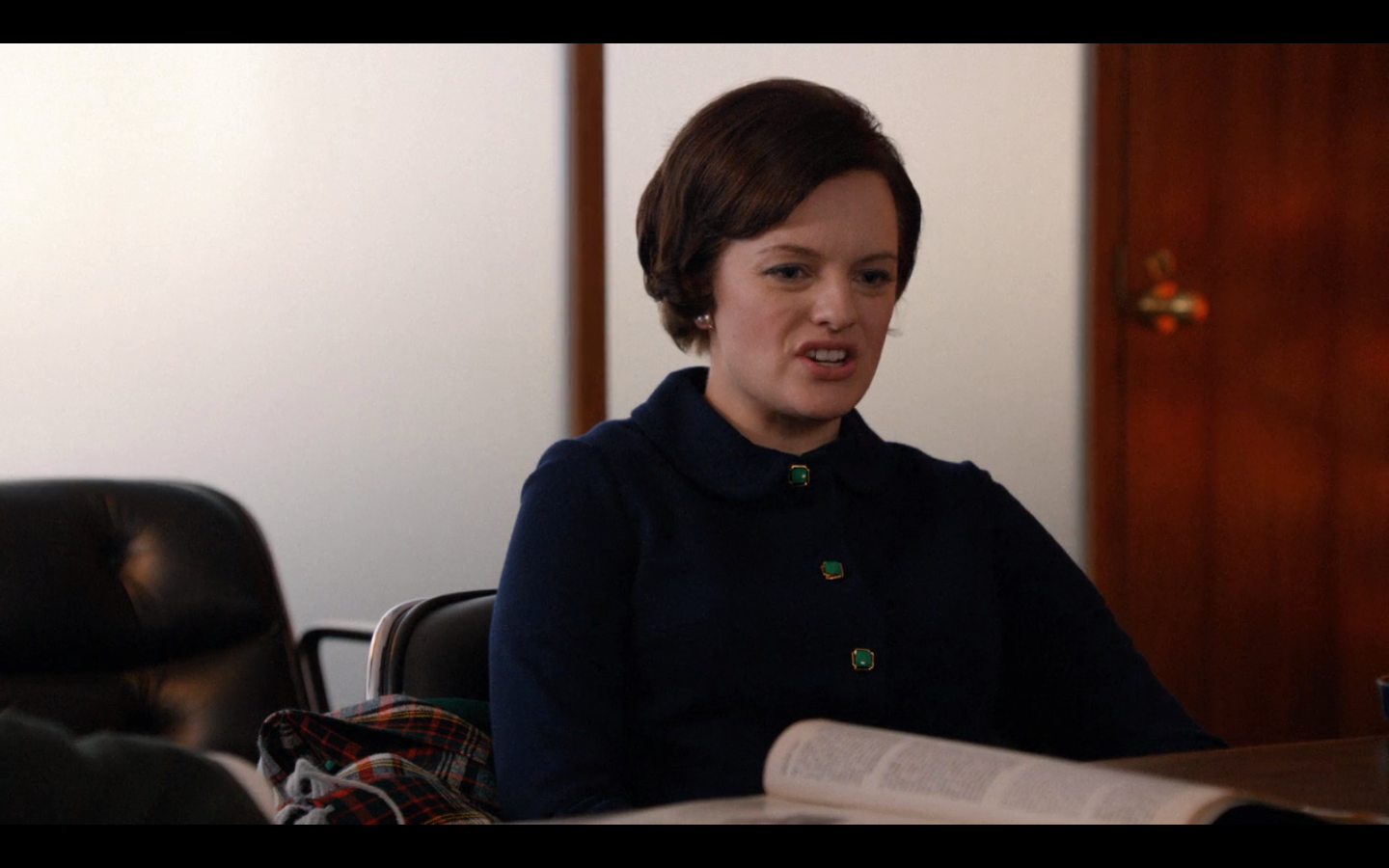
MAD MEN / “Time & Life”

Doorway.fword

For Dear Television at The Los Angeles Review of Books, I wrote about repetition, novelty, Peggy, Stan, and the strange artful history of cursing on Mad Men:

“Don turns to him and says, ‘Why are you cursing?’ It’s a peak moment of Weird Ginsberg, but it’s also one of the show’s great sly acknowledgments of cultural and generational drift. Don Draper’s workplace suddenly becomes a place where people curse freely. Don can’t even tell what’s not authentic about the music he’s hearing, but that inauthenticity is literally painful to Ginsberg. The f-word is the harbinger of a particular doom for Don Draper.”

“Not Safe for Work: Mad Men‘s Art of Cursing”

MAD MEN / “The Forecast”

Getzinger.Forecast2

I wrote about “The Forecast,” the first great episode of the back end of Mad Men‘s final season, for Dear Television at the LARB. Specifically, I wrote about the amazing director Jennifer Getzinger and why maybe repetition isn’t a bad thing:

“Bert Cooper was on this show for so long as a reminder, not of death but of irrelevance. Don’s having so much trouble figuring out what’s next for the agency because he’s asking the question the wrong way. “We know where we’ve been, we know where we are,” he says, and that’s true, but it shouldn’t be in first-person. He can’t tell where he’s going because he isn’t going anywhere. He’s achieved what he will achieve at SC&P — he’s no longer a metonym for the agency. The future is other people. Isn’t that sad? Isn’t that beautiful? Take off your shoes.”

“Space Station Getzinger”

MAD MEN / “Severance”

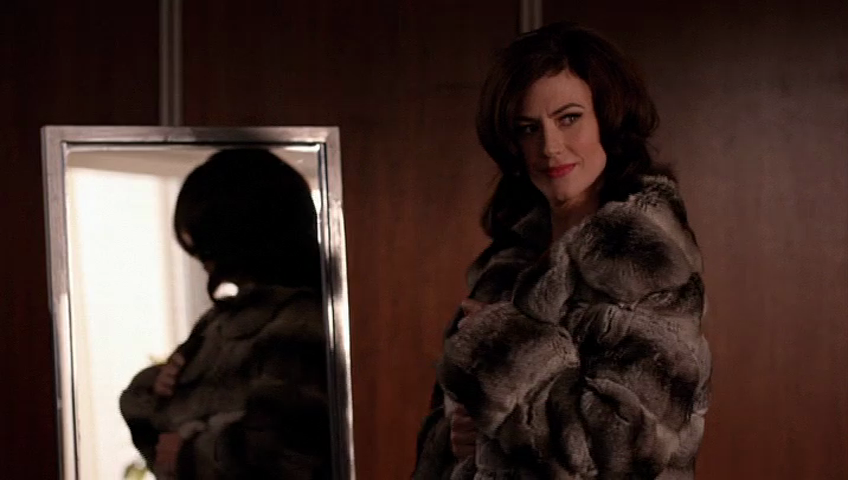
menken.fur

Dear Television is back on the Mad Men beat at The Los Angeles Review of Books for the final episodes of the series. I enjoy writing about this show more than any other, and I’m particularly pleased that we’ll be documenting Don Draper’s Decline and Fall at LARB. I wrote about the premiere episode and the ghostly return of one of Mad Mens greatest characters: Rachel Menken:

“We wanted Rachel to come back, but she is not who she is. Something else, something deeper is troubling Don Draper. Time travel isn’t easy even when it’s possible. You can’t see Rachel Menken again; she doesn’t exist anymore.”

“Deep Cuts: Rachel in Furs”

TV’s KIDS

sally.bag

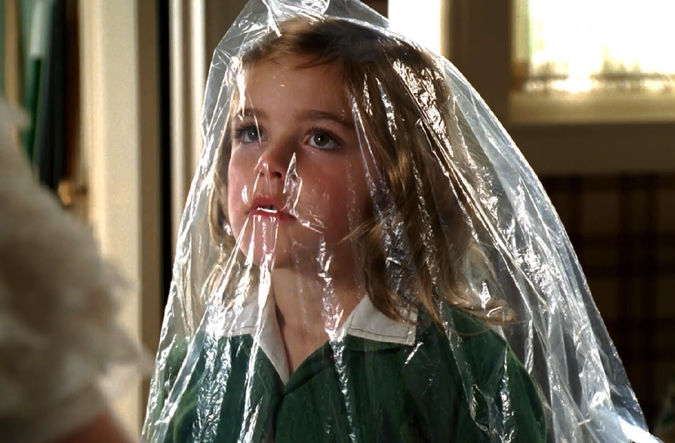
NBC’s Parenthood finally ended last week, thus taking off the air a great ensemble of child actors. In the wake of this, I wrote, for “Dear Television” at The Los Angeles Review of Books, about the state of kid acting on TV right now:

“Imagine if every year, for eight years, we shot 13 episodes of television about the same kid! It’s not to denigrate the massive and moving achievement of Richard Linklater’s film — or the gut-wrenching experience of seeing such a long period of time condensed in one sitting — to say that serial television has been watching kids grow up since before Ellar Coltrane was a glimmer in his Earth-parents’ eyes.”

Parenthood‘s End: On Television’s Children”

BROAD CITY / Knockoffs

Ilana.sewer.1

I wrote about week four of Broad City for “Dear Television” at Talking Points Memo. This episode was one of the most joyful television experiences I’ve had in a while, and here’s why:

“The broads aren’t idealists or utopians. There is no actually existing ideal of New York life for them to either occupy or come up against. They’re pragmatists, riding that nitrous wave with Billy James. They find the possibility of joy in every nook and cranny of this preposterous world they’ve created whether it’s a prix fixe shellfish dinner or a sewer sale on Birkin bags. Broad City is a cartoon, but sometimes in its ecstatically dumb pastiche of high and low it finds something that feels joyfully, thoughtlessly real.”

“Girls, Hit Your Hallelujah!”

DEAR TV ON THE RADIO!

fg

This week, I gave a quick interview with Virginia Prescott of New Hampshire Public Radio’s Word of Mouth about my Dear TV piece on “Necro-Streaming,” or watching television shows that don’t yet know they’re canceled.

Listen here!

BROAD CITY!

AirQuotes

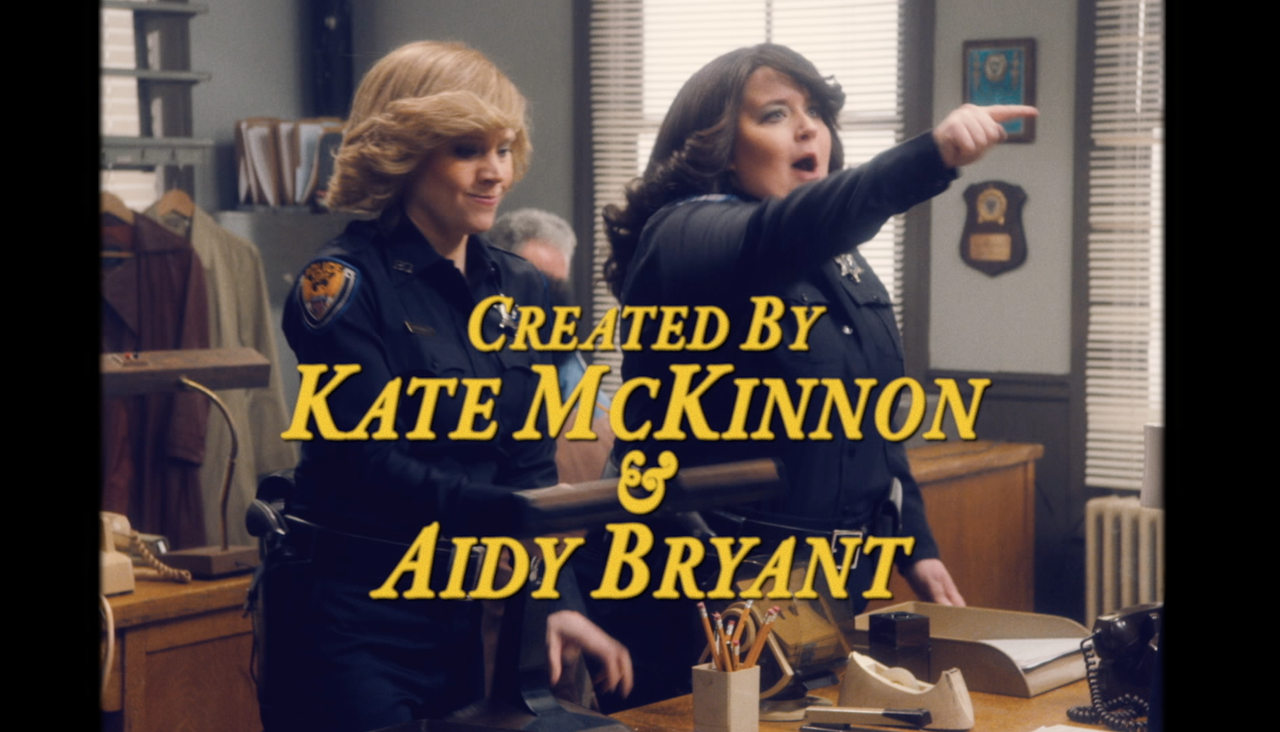
This Spring, “Dear Television” will be covering Broad City every week for Talking Points Memo‘s brand-new culture vertical, The Slice! Lili Loofbourow and I took the first shift, writing about the baffling treatment of “rape culture” in the season two premiere:

“Gray areas aside, the question in this episode is less about what Abbi does or doesn’t do than it is about how we read Ilana’s initially scandalized reaction. Is the show endorsing Ilana’s feminism, or is the show making fun of feminist killjoys who talk about rape culture at dinner parties?”

“Silly Feminists!”

DEAR TV 2014!

dykefats

Over at The Los Angeles Review of Books, I pitched in to the Dear Television Year-End Questionnaire. I wrote about all my favorite series, from The Good Wife to The Leftovers and Transparent, as well as appreciations of Kate McKinnon, Carrie Coon, and the best TV writing of the year.

“The Dear TV 2014 Questionnaire”

BEYONCE & DIGITAL CINEMA

beyonce.edison

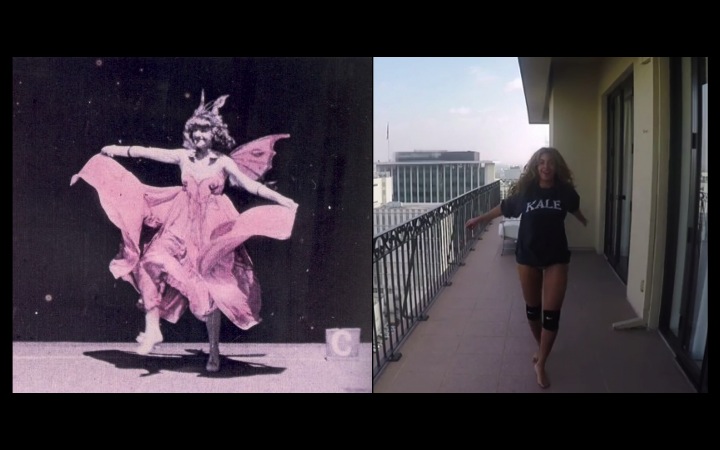
This weekend, I saw Interstellar, and I saw Beyonce’s new video for “7/11.” One of them I couldn’t stop thinking about. So here’s my piece for Slate about why I find a little more hope in Beyonce’s hand-held, participatory digital aesthetic than I do in Christopher Nolan’s big-screen throwback.

“‘7/11’ is already made of GIFs; it Vines itself. When she claps on the balcony or twerks on the chair in the bathroom, the looped image comes built into the texture of the video. ‘7/11’ is a series of pre-manipulated moments, moves and visual non sequiturs that you immediately want to see again in part because you’ve already seen them rewound and repeated before your eyes. If you’ve watched ‘7/11’ once, you’ve watched it at least twice.”

“Is Beyonce the Future of Digital Cinema?”

NECRO STREAMING

cardellini

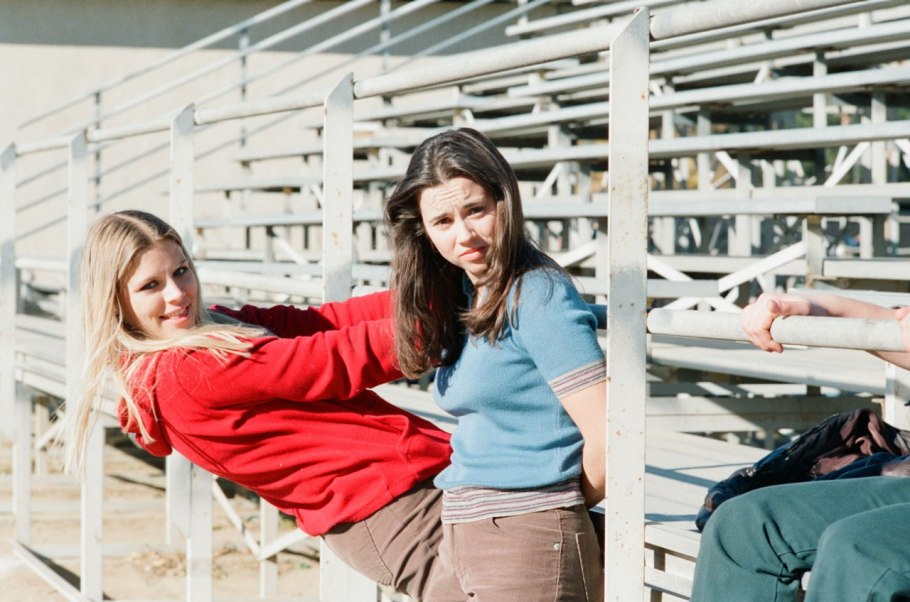
I’ve inaugurated a new Dear Television feature for The Los Angeles Review of Books. “Necro-streaming” is the watching of a television show’s remaining episodes after it’s been canceled. Today, I wrote about Selfie, Freaks and Geeks, and the mercifully un-canceled Jane the Virgin.

“But there is something lovable about a piece of culture whose life was so awkward and brief. Something worth pausing over about a show that stands up briefly only to be toppled. This is a nasty business, this pilot season — everything I’ve just said above totally erases what I’m sure is the total agony of being a writer or performer on one of these shows — but there’s something precious about the feeling of loyalty that begins to catch in your throat only to be swallowed back down.”

“Necro-streaming: Notes on Watching a Dead Show”